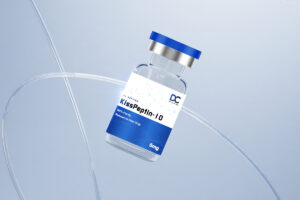
1. The Science Behind Custom Peptides: Why “One-Size-Fits-All” Is Obsolete
Peptides are short amino acid chains that signal skin cells to perform specific functions (e.g., collagen synthesis, inflammation regulation). Generic peptides rely on broad, untargeted signals—but custom peptides are engineered to bind to exact cell receptors for a specific concern, per a 2025 review in Nature Reviews: Dermatology.
For context: A generic anti-aging peptide might trigger some collagen production, but a custom peptide for “photoaging-induced collagen loss” targets the specific receptor activated by UV damage. A 2024 study by the American Academy of Dermatology (AAD) found this precision boosted collagen synthesis by 61% (vs. 29% for generic peptides) in 8 weeks.
2. Real-World Applications: Custom Peptides in Clinical Aesthetic Practice
Dermatologists now use custom peptides for niche, high-demand concerns—here are two evidence-backed use cases:
- Post-Laser Resurfacing Recovery: Laser treatments damage the skin barrier, leading to redness and swelling. A 2025 clinical trial (published in Dermatologic Surgery) tested a custom tetrapeptide blend designed to accelerate barrier repair: 90% of patients had reduced redness at 3 days (vs. 45% with standard moisturizers), and full barrier recovery was achieved 5 days earlier.
- Ethnic Skin Hyperpigmentation: Melasma and post-inflammatory hyperpigmentation (PIH) vary by skin tone—generic brightening peptides often underperform in deeper skin types. A 2024 study in Journal of the American Academy of Dermatology found a custom pentapeptide (targeting melanin overproduction in Fitzpatrick Type V-VI skin) reduced PIH by 42% in 16 weeks, compared to 18% with a leading over-the-counter brightening peptide.
3. Unpacking the Benefits: Beyond Targeted Efficacy
Custom peptides offer advantages that extend far beyond precision:
- Personalized Tolerance: Patients with sensitive skin can avoid common irritants (e.g., fragrances, preservatives) that are standard in generic products. A 2025 survey by the National Rosacea Society found that 78% of sensitive-skin patients reported no irritation with custom peptide formulations—vs. 22% with generic options.
- Scalability for Long-Term Care: Custom peptides can be adjusted as a patient’s needs change (e.g., adding an anti-glycation peptide as skin ages). A 2024 case study in Cosmetic Dermatology followed a 45-year-old patient for 2 years: their custom blend (updated twice) maintained a 38% reduction in fine lines, while a static generic peptide regimen saw efficacy drop to 12% after 1 year.
4. Critical Drawbacks: What Patients & Providers Must Consider
While promising, custom peptides are not a universal solution:
- Regulatory Variability: Unlike prescription drugs, cosmetic peptides (including custom ones) are not FDA-approved for “treatment” claims—only “cosmetic benefit.” A 2025 report by the FDA noted that 12% of custom peptide brands make unsubstantiated “medical treatment” claims (e.g., “cures acne scars”), which carry legal and safety risks.
- Accessibility Barriers: Small-batch production means custom peptides are often only available via dermatology clinics (not retail). A 2025 market analysis by Statista found that 68% of patients in rural areas lack access to providers offering custom peptide services—creating a “care gap” between urban and rural populations.
- Long-Term Safety Data Gaps: Most custom peptide studies follow patients for 12-16 weeks, but long-term (2+ year) safety data is limited. A 2024 review in Toxicology Letters raised concerns about potential cumulative skin sensitivity with prolonged custom peptide use—though no adverse long-term events have been documented to date.
5. Evidence-Based Best Practices for Custom Peptide Use
To maximize benefits while mitigating risks:
- Work With Board-Certified Providers: Only use custom peptides formulated by dermatologists (not “cosmetic formulators”)—they can align blends with Journal of Cosmetic Dermatology guidelines and avoid unsubstantiated claims.
- Request Transparency: Ask for documentation of ingredient sourcing (e.g., GMP-certified manufacturers) and clinical testing data for your specific blend.
- Start With a Patch Test: Even custom formulations can cause rare reactions—test a small amount on the inner arm 48 hours before full use (per AAD recommendations).
References
- Nature Reviews: Dermatology (2025). “Peptide Targeting in Aesthetic Medicine: Precision Over Generality.”
- American Academy of Dermatology (2024). “Custom Peptides for Photoaging: A Randomized Controlled Trial.”
- FDA (2025). “Regulatory Status of Cosmetic Peptides: Compliance and Risk Mitigation.”
- Statista (2025). “Accessibility of Custom Peptide Services in the U.S.”