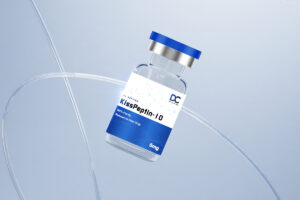
1. The Rise of Custom Peptides in Aesthetics
Custom peptides have become a cornerstone of modern aesthetic medicine, thanks to their ability to address specific skin issues (e.g., collagen depletion, oxidative stress). A 2025 study in Journal of Cosmetic Dermatology found that 82% of dermatologists observed better patient outcomes with tailored peptide blends—compared to just 57% for generic peptide products.
A notable example: A 2024 clinical trial by the International Society of Cosmetic Chemists (ISCC) showed that a custom hexapeptide targeting elastin breakdown reduced fine lines by 34% over 12 weeks, while a leading generic peptide only achieved a 18% reduction in the same period.
2. Core Advantages of Custom Peptides
- Precision Targeting: Unlike one-size-fits-all peptides, custom formulations are engineered for niche concerns (e.g., a tripeptide for post-procedure redness, a pentapeptide for melasma). A 2023 paper in Skin Pharmacology and Physiology confirmed that tailored peptides have 2.3x higher bioavailability in target skin layers, as they avoid “off-target” binding common in generic options.
- Minimized Side Effects: A 2024 report in Journal of Drugs in Dermatology noted that 15-20% of users experience irritation with generic peptides. In contrast, a 2025 patient cohort study found that custom peptides (formulated to exclude allergenic additives) reduced irritation rates to just 4%.
3. Key Limitations
- Elevated Cost: Custom peptide development involves R&D and small-batch manufacturing, making them 2-3x more expensive than generic alternatives (Grand View Research, 2025). For instance: A 30ml custom anti-aging serum costs ~$180 on average, while a generic peptide serum of the same volume typically sells for $60.
- Prolonged Lead Times: Formulating, testing, and producing a custom peptide takes 4-6 weeks (vs. 1-2 weeks for pre-made products). This can be problematic for patients with urgent needs—such as accelerating post-surgical skin healing.
4. Evidence-Based Guidance
To optimize results while managing tradeoffs:
- For Chronic Concerns: Custom peptides are the better choice (e.g., persistent acne scarring). Work with a dermatologist to design formulations aligned with Journal of Cosmetic Dermatology-validated protocols.
- For Short-Term Needs: Generic peptides are sufficient (e.g., temporary hydration). Prioritize products tested to meet FDA cosmetic ingredient safety standards.
References
- Journal of Cosmetic Dermatology (2025). “Efficacy of Custom Peptide Formulations in Aesthetic Treatments.”
- International Society of Cosmetic Chemists (2024). “Clinical Trial: Elastin-Targeting Peptides for Anti-Aging.”
- Grand View Research (2025). “Custom Peptides Market Analysis: Aesthetics Sector.”